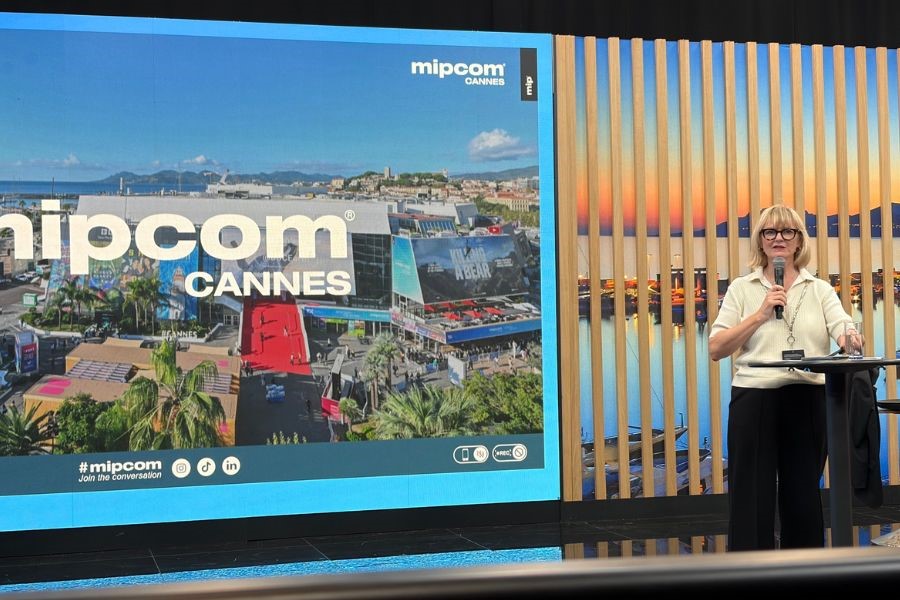

Another intense week at MIPCOM Cannes has come to an end. And, as always, the market seems to get shorter every year. By Wednesday afternoon, delegates were already leaving Cannes and exhibitors were beginning to dismantle their stands, despite the official programme running until Thursday, October 15.
It is therefore worth taking a moment to reflect on what this edition has revealed about the state of the international television industry.
There is no doubt that the entertainment business is increasingly fragmented. Technology has disrupted traditional models of content production, distribution and consumption, while broadcasters, platforms and independent producers continue to face enormous pressure to adapt.
Against this backdrop, MIPCOM is positioning itself as a bridge between different worlds, attempting to bring together established players and emerging businesses, while exploring how the industry's ongoing transformation can generate new opportunities.
And, from my perspective, there are some encouraging signs. Although I remain unconvinced that content creators necessarily represent the solution to the industry's search for new intellectual property, their growing presence is certainly changing the conversation.
The real question is whether this new creative ecosystem can deliver sustainable ideas and internationally adaptable formats, rather than simply transferring existing concepts to new platforms and audiences.
According to the figures released by organisers, MIPCOM Cannes 2026 welcomed 10,100 delegates, including 3,150 buyers from 104 countries. The ten leading territories represented were the United States, United Kingdom, France, Germany, Turkey, Canada, Spain, Italy, Japan and India.
MIPJUNIOR, held over the preceding weekend, attracted more than 600 participants, including 165 buyers.
The numbers confirm MIPCOM's continued relevance as a global meeting point, but the composition of the market is arguably more significant than the attendance itself.
This year, major studios, distributors and broadcasters shared the Croisette with brands, digital platforms, technology companies, AI specialists and a growing number of creator-led businesses.
Lucy Smith, Director of MIPCOM Cannes, clearly outlined this strategy:“Our strategy is clear: to strengthen MIPCOM’s core international content business while bringing together the companies, investment, technology and new business models driving the transformation of the global entertainment industry,” said Lucy Smith, Director of MIPCOM CANNES. “We are not simply responding to change. We are actively shaping the opportunities it creates - connecting established industry leaders with new partners, new sources of IP and new routes to growth. And this year’s MIPCOM has demonstrated that strategy in action.”
During the press conference, Lucy Smith also announced the new date for MIPCOM 2027, that will be held in October 18-21.
MIPCOM Remains the Year’s Leading TV Market