As global demand
for Korean storytelling continues to reshape the international content
landscape, the 24th edition of the Florence Korea Film Fest offers European
industry observers a window into the creative ecosystem behind the Hallyu wave
across both cinema and television. Running from March 19 to 28 at Cinema La
Compagnia in Florence and online via the MYmovies platform, the festival will
showcase more than 70 titles and host a strong delegation of filmmakers, actors
and producers, reinforcing Italy’s role as a European hub for contemporary
Korean audiovisual culture.
Although rooted in cinema, the event has
clear relevance for the television industry. Many of the creators featured in
this year’s programme have played a key role in the rise of Korean drama and
genre storytelling that now dominates global streaming platforms. The presence
of international stars such as Gong Yoo and director Yeon Sang-ho illustrates
how fluid the boundaries between film and television have become in Korea,
where talent and intellectual property increasingly move across mediums.
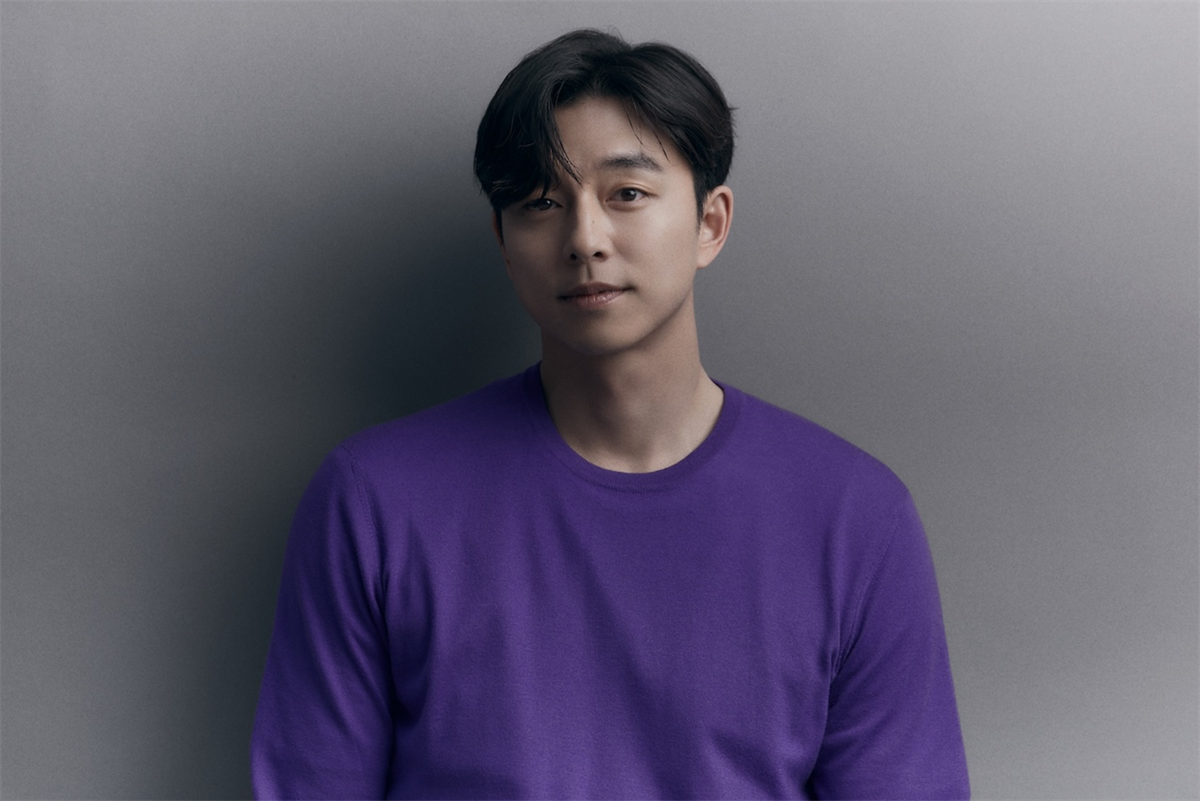
One of the festival’s highlights is the
tribute to Gong Yoo, the actor whose global recognition surged following his
appearance in Netflix’s cultural phenomenon Squid Game. Even with
limited screen time, his role as the mysterious recruiter offering a game of
ddakji in the subway became one of the show’s most memorable narrative hooks.
For television executives and drama producers, Gong Yoo represents a rare blend
of star power and versatility, having built a career that moves effortlessly
between television drama, commercial cinema and high-profile genre productions.
The Florence tribute traces his career
through six films, from the social drama Silenced and the action
thriller The Suspect to the international breakthrough of Train to
Busan. His visit also includes a sold-out masterclass exploring the craft
of acting and the emotional architecture behind character-driven storytelling —
a topic closely aligned with today’s serialized drama production.
The festival will also host a
retrospective dedicated to Yeon Sang-ho, one of the most influential voices in
contemporary Korean genre storytelling. Known worldwide for directing Train
to Busan, Yeon has increasingly expanded his work into serialized
narratives, exploring dystopian themes, social anxiety and moral ambiguity that
resonate strongly with global streaming audiences.

The retrospective — the first of its kind
in Italy — follows his creative trajectory from the animated provocations of The
King of Pigs and The Fake to the global success of Train to Busan
and its animated companion Seoul Station, culminating with the European
premiere of Peninsula and the Italian premiere of his latest thriller The
Ugly. For industry observers, Yeon’s career illustrates how Korean creators
are building narrative universes capable of expanding from film to television
and beyond.
Beyond its headline guests, the festival
provides a broader snapshot of the diversity shaping contemporary Korean
storytelling. The opening film, People and Meat by Yang Jong-hyun, is a
bittersweet comedy about three rebellious elderly friends celebrating life
through food and friendship, while the closing title Homeward Bound by
Kim Dae-hwan explores the complex emotional dynamics within a fractured family.
The competitive sections further highlight
this range. Korean Horizons presents some of the most talked-about films
in South Korea, including the crime thriller Yadang: The Snitch by Hwang
Byeong-gug and The People Upstairs, directed by actor Ha Jung-woo and
adapted from Cesc Gay’s Spanish film Sentimental. This cross-cultural
adaptation reflects the growing dialogue between Korean creators and
international intellectual properties, a dynamic increasingly relevant to the
television format market.
Meanwhile, K-Cinema Today focuses
on emerging directors from the independent scene, offering an early look at
storytellers likely to transition into television production in the coming
years. Films such as Hallan, set during the Jeju uprising of 1948, and Halo,
which explores the pressures shaping urban youth, highlight the socially
engaged storytelling that continues to distinguish Korean audiovisual culture.
Masterclasses remain a central part of the
festival, with sessions featuring Gong Yoo, Yeon Sang-ho and leading webtoon
creators. The programme also includes a special concert by composer Cho
Sung-woo, one of the most respected figures working across Korean cinema and
television, whose scores for dramas such as Tomorrow, Maestra and
Lost have contributed to the emotional depth of Korean serialized
storytelling.
Organised by Riccardo Gelli of the
Taegukgi Association and co-directed by Chang Eun-young, the Florence Korea
Film Fest has grown into one of Europe’s key platforms for Korean cinema and
culture, supported by institutions including the Korean Film Council (KOFIC),
the Korean Embassy in Italy and the Korean Film Archive.
For television professionals, the festival
offers more than a celebration of film. It provides a glimpse into the creative
ecosystem that continues to generate globally successful IP, demonstrating how
cinema, television, webtoons and music intersect within one of the world’s most
dynamic storytelling industries.